Friday, August 2, 2013

London Horcrux #5: Felicia Dorothea Hemans, statue by Angus Fletcher


This statue is found in the National Portrait Gallery. I chose it as a horcrux because I felt a deep connection to it. The sculpture is beautifully done, with the drapery of the shirt looking so real and her beautiful ringlets looking like real hair. I first noticed her hair, which reminded me of my own. If I so chose, I could likely wear my hair very similarly to how it is styled here. I found myself lingering at her statue alone, feeling this odd connection with this woman I knew nothing about. Both the beauty of the art and the beauty of the subject I found captivating.
The statue, image from the National Portrait Gallery website.
When I returned home, I looked up who she is. Felicia Hemans is a poet, which fits into the literary themes of our course surprisingly well. Also, as a woman author, her writings sometimes dealt with the issues of women’s trials and male chauvinism. This relates to our discussion of gender. Thirdly, my feeling of connection to this woman delves into the realm of the fantastical, as feeling a connection to random statue women is the stuff of fantasy.

London Horcrux #4: Nereid Monument


Nereid Monument.

When I first walked into the room in the British Museum which contained the Nereid Monument, it took my breath away. To see this grand temple from ~400 BC displaced in a room was amazing. The amount of work and perfection that went into classic Greek and Roman sculpture always impresses me. Not only are the Nereids themselves beautifully sculpted, careful attention going to the drapery of their cloth and the emotion of their stances, but the Ionic columns, the pediment with some whole scene depicted, and the base with yet more engraved figures, everything is just beautifully done. Also, that so much of the monument has survived over 2,000 years is incredible, and a testament to the power and influence humans can possess.
Apparently the story is that Erbinna, ruler of Lycian Xanthos, wished to be buried in a Greek-styled temple. I feel like fascinations with a culture not your own often involves folkloric ideas, as there must be stories and such that cause someone to love another culture enough to wish to be buried in it. Also the folklore and mythology of sea nymphs (the Nereids) and the other scenes depicted is relevant.

London Horcrux #3: Italian Gardens


The Italian Gardens are in between Kensington Gardens and Hyde Park. As soon as I saw them I was struck by their beauty. 
View of the Gardens.
The flowers are beautiful, the fountains are gorgeous, and the whole setting is lovely. I particularly loved the fountains. In the middle of each hexagonal section of water was a continuous fountain, which flowed into the fairly large standing water around it. Within the water were various plants and algae, making it home to a variety of creatures. I saw a mother duck and her babies swimming by, happily munching on some tasty morsel they found. A beautiful white swan cleansed itself in another fountain. While human construction obviously went into the buildings and arrangement, no amount of interference can cause the natural wonder as elements of nature take over a place and make it their home.
Nature rejoicing in the fountains.
View of one of the foutains.
I also loved the location. The Serpentine river leads up to the Gardens, and the first of the fountains feed directly back into that water. I love rivers and other such bodies of water. They give me this incredible sense of calm and joy that I cannot find anywhere else. The Gardens also bridge between Hyde Park and Kensington Gardens, literally a bridge between two wonderful parks which are respites of nature within the booming city.
The aforementioned fountain before the river.
 Folkloric elements come into play as the whole Gardens were apparently created by Prince Albert in 1860 to profess his love to Queen Victoria. He himself was inspired by the Italian Renaissance. Similarly, we’ve discussed that many fantasy plots take place in vaguely medieval realms, and it seems that similar inspiration was drawn for creating this symbol of fantastical love.
Placard describing the Gardens.

London Horcrux #2: Doctor Who Experience


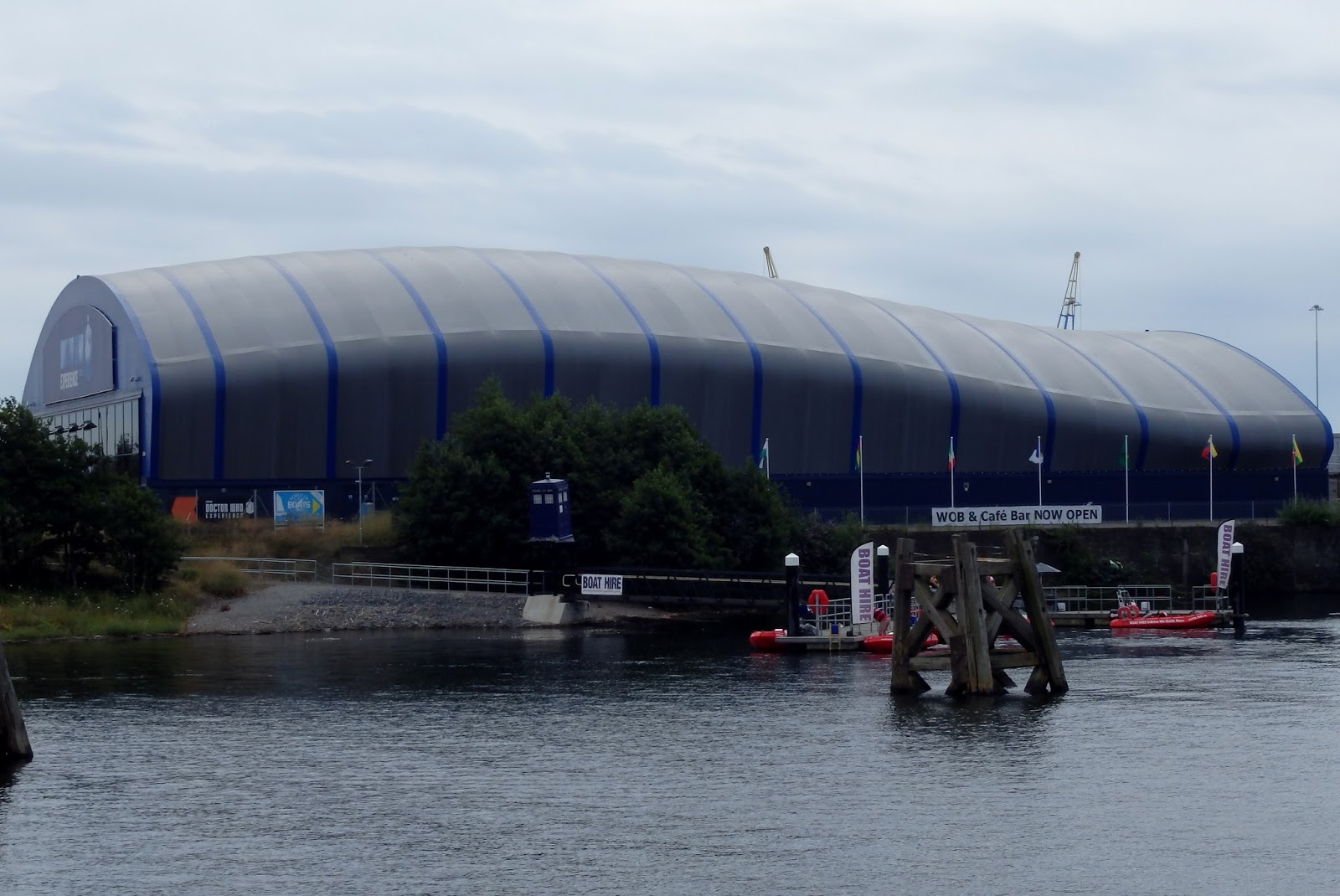
When I finally found out I was actually going to be in the United Kingdom, I knew I had to go to Cardiff to see the Doctor Who Experience. 
The outside of the Experience, with the iconic TARDIS visible in front.
 When my mom was a child, she watched Doctor Who in its early years. Then when it had a revival in 2005, we watched it as a family, and it quickly became a favourite for all of us. The family tradition of watching the episodes together seems folkloric in nature. Before TV, a family might have gathered similarly to tell each other stories. Now we experience stories together.
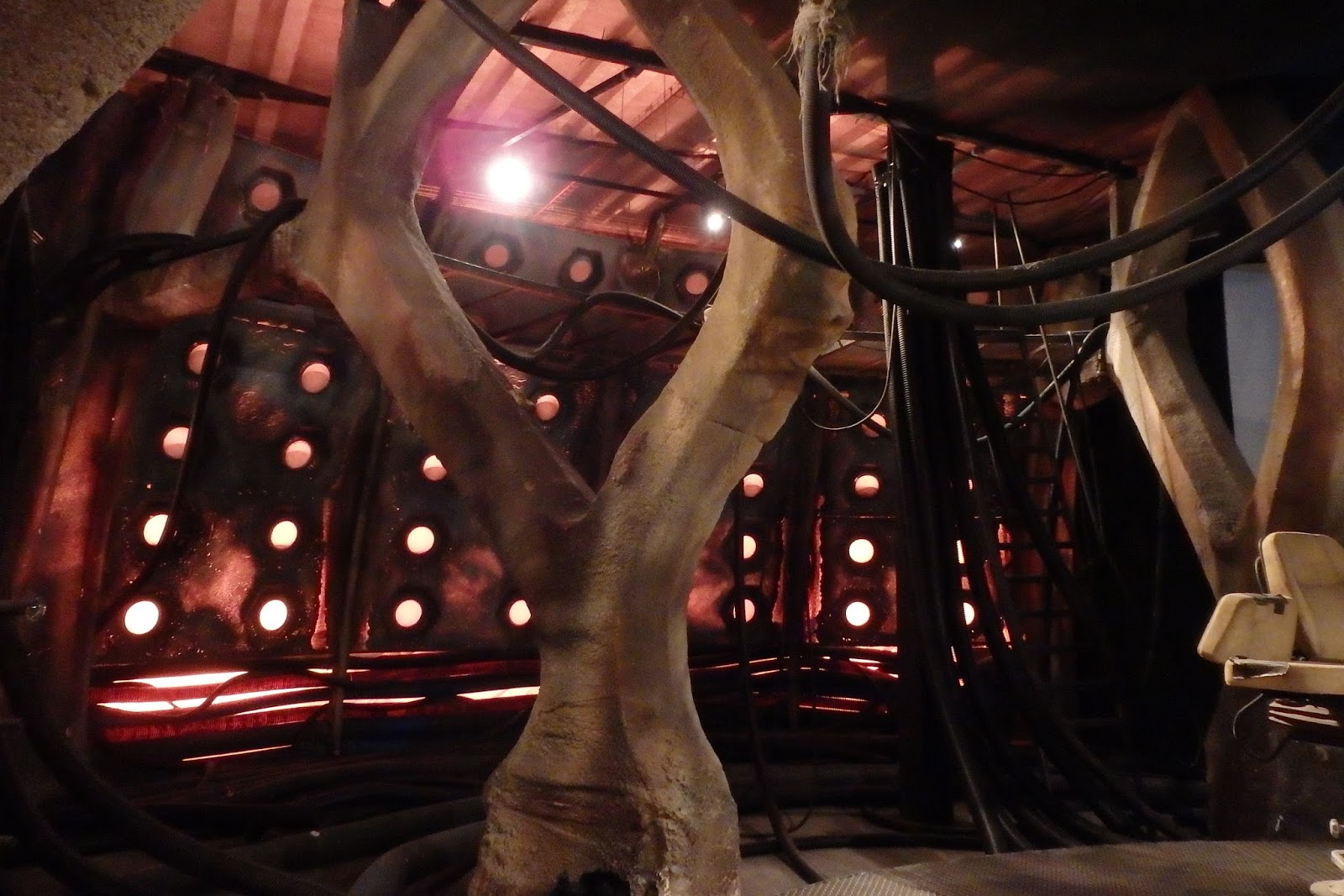
The Experience itself was phenomenal, and truly a lot of fun. The first part was almost like being in an episode of Doctor Who, getting to experience some of the stories first hand. This then led to the museum, which had costumes and characters spanning over the fifty years of Doctor Who’s existence, which was amazing to see in person.
Some of the actual insides of the TARDIS. It was like literally stepping inside one of my favourite shows.
 This is a horcrux because it represents a body of stories important to my family and several of my family friends, and because I truly had a lot of fun doing it.  
It relates to the course because of the folkloric elements mentioned above. Also, Doctor Who is a sci-fi/fantasy blend, relating to our discussions on the fantasy genre. 
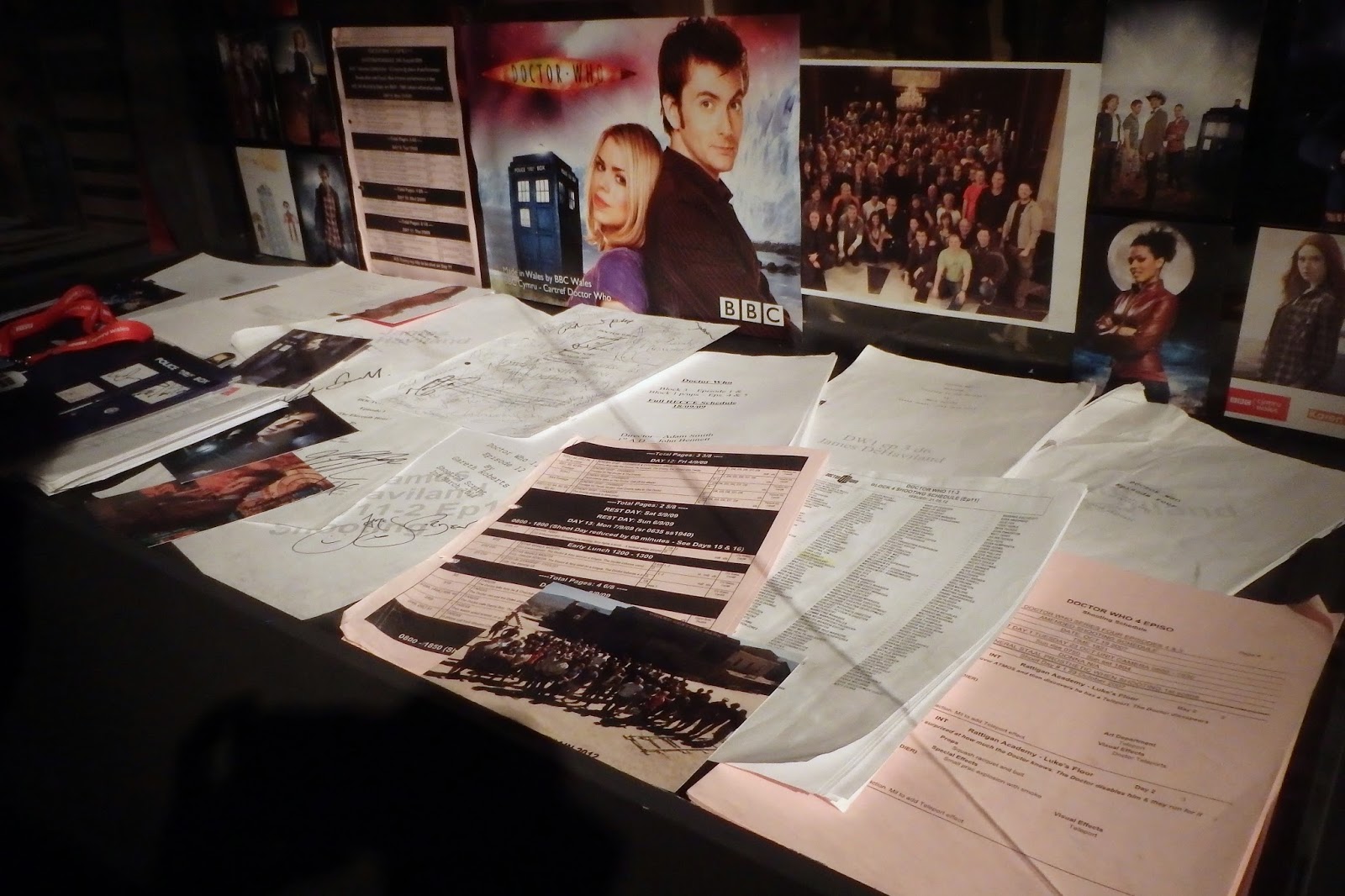
Pieces of Doctor Who.

London Horcrux #1: Tintern Abbey


Tintern Abbey
Tintern Abbey has to be one of my horcruxes, because I do feel like a piece of my soul is there. The
whole area is so peaceful and perfect. The walls of centuries past still stand, practically pouring out a thousand years of stories. The architecture is beautiful, and though it is in ruins, the strength and the thought process that went into constructing this magnificent building still stands. What I like best of all is how nature meets human invention. The stones are made from ingredients of the earth, and as the building degrades over time, it’s like the pieces go back to the earth. This is like the circle of life for all things, as we live, feed off the earth, and die, returning to feed the earth. So too is Tintern Abbey in this cycle. In addition, the way that the entire flooring is now a wonderful carpet of grass with daisies is such a perfect touch, I wish they had designed it that way on purpose. It makes the place so inviting. I felt compelled to lie down and just take in the whole place. Lying on the grass, staring up that the sky unimpeded by a roof, listing to happy birds tweet as they return to the nests they’ve built in the walls, feeling the magnitude of the walls around me – it truly felt like a perfect moment, like nothing more was needed. I took a nap, feeling peaceful and safe, as though letting the setting contribute to part of my natural human cycle was a way of letting it in to me, bottling up some of that peaceful, beautiful feeling.
The lovely grass carpeting and some of the building.
 This relates to the course because you almost have to view the place in the fantasy modality to truly appreciate it. To view it with no touch of the imagination or the fantastical is to simply see a crumbling old building and grass. But if you truly open up and let any fantastic notions take you, Tintern Abbey becomes so much more. Also, Tintern Abbey must be in folklore. It truly seems like the stuff of legend.
Trying to bottle up my feelings of happy and calm in a photograph.

More of the beautiful building and the view from it.